
Medical Waste Disposal
San Jose, CA
Regulated medical waste — sharps, biohazardous materials, pathological waste — cannot go in the regular trash. HavenSafe Bio-Restoration coordinates licensed medical waste disposal for San Jose facilities, cleanup projects, and one-time disposal needs, with full chain-of-custody documentation from pickup through destruction.
HavenSafe Bio-Restoration is an independent referral and coordination service. Disposal work is performed by licensed, vetted professionals in our network.
California's Regulated Medical Waste Framework — What Generators Need to Know
California Health and Safety Code Division 104, Part 14 (§118600 et seq.) establishes a comprehensive regulatory framework for the management of regulated medical waste (RMW) in California. The California Department of Public Health (CDPH) oversees the program, which covers waste generation, storage, treatment, transport, and disposal. For businesses and facilities that generate RMW in San Jose, understanding these obligations is both a compliance matter and a liability issue.
California classifies regulated medical waste into several categories, each with specific handling requirements. Biohazardous waste — which includes liquid blood, items saturated with blood or body fluids, microbiological cultures, and similar materials — must be stored in rigid, leak-proof containers or red biohazard bags, labeled appropriately, and disposed of through a licensed medical waste hauler. Sharps must be placed in puncture-resistant sharps containers certified to DOT standards. Pathological waste — human tissue, organs, body parts — requires separate handling and disposal through incineration.
Non-compliance with California's RMW regulations carries significant penalties. Improper disposal — placing biohazardous waste or sharps in regular trash — is a misdemeanor under California law, with fines up to $10,000 per violation per day for ongoing violations. Beyond regulatory penalties, improper disposal creates genuine public health risks: needlestick injuries to sanitation workers, environmental contamination, and community exposure to bloodborne pathogens.
Categories of Regulated Medical Waste We Handle
Sharps Waste
Needles, syringes, lancets, scalpel blades, broken glass from laboratory use, and other sharp objects capable of puncturing skin. All sharps must be collected in puncture-resistant containers before transport. We coordinate pickup of full sharps containers from healthcare facilities, clinics, tattoo studios, veterinary practices, and cleanup projects, and transport them to a licensed treatment facility for destruction.
Biohazardous Waste
Liquid or semi-liquid blood and blood products; items saturated with blood or body fluids; microbiological waste including specimen cultures, discarded laboratory specimens, and culture dishes; and other materials contaminated with potentially infectious materials (OPIM) as defined under CalOSHA §5193. Stored in red biohazard bags or rigid leak-proof containers; transported and treated at a licensed facility.
Pathological Waste
Human tissue, organs, body parts, and specimens removed during surgery, biopsy, autopsy, or laboratory procedures. Pathological waste is subject to the strictest disposal requirements under California law and must be treated by incineration. We coordinate handling and transport for surgical centers, autopsy facilities, anatomical pathology laboratories, and research institutions.
Pharmaceutical Waste Designated as RMW
Certain pharmaceuticals — primarily those derived from blood, human tissue, or microorganisms, and those that are biohazardous by nature — are classified as regulated medical waste under California regulations and cannot be disposed of in ordinary trash, drains, or standard pharmaceutical waste streams. We coordinate appropriate disposal with our licensed network.
Cleanup-Generated Biohazardous Waste
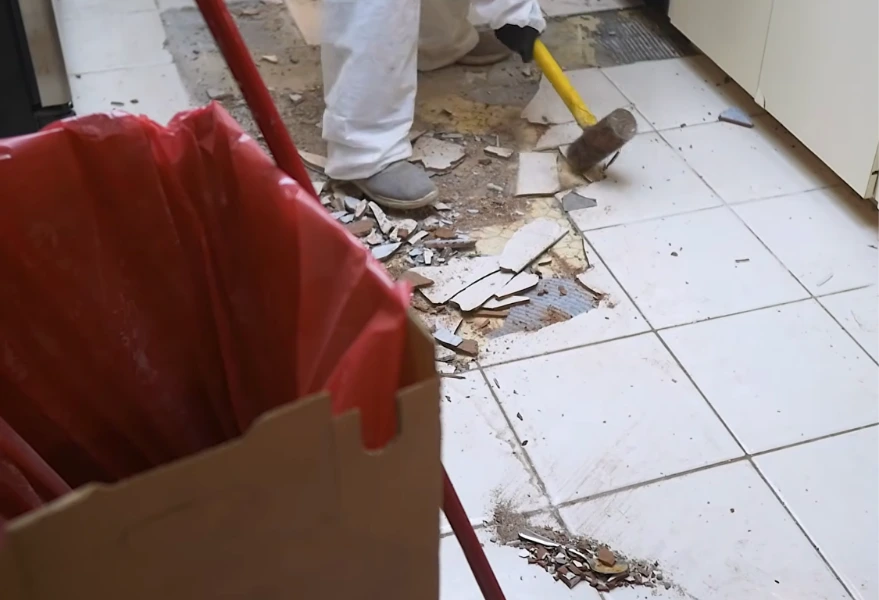
Biohazardous waste generated during crime scene, trauma, decomposition, hoarding, and encampment cleanup — contaminated materials removed during remediation projects — must be disposed of as regulated medical waste regardless of the original source. This includes blood-saturated flooring, contaminated structural materials, PPE, and collection equipment used during cleanup.
Animal and Veterinary Waste
Veterinary practices and research facilities generate regulated medical waste from animal procedures — blood, tissue, sharps, and contaminated materials from animal patients or research subjects. These waste streams are subject to the same California regulatory framework as human medical waste and require licensed disposal.
Who Generates Regulated Medical Waste in San Jose
Medical waste generation is broader than most people expect. These facility types all generate RMW under California's regulatory definition.
Healthcare Facilities
Hospitals, outpatient clinics, urgent care centers, physician offices, dental practices, dialysis centers, and mental health facilities that perform any procedure involving blood or body fluids.
Tattoo and Body Piercing Studios
Tattoo studios and body piercing shops generate sharps waste (needles) and biohazardous waste (blood-contaminated materials) with every service. California-licensed facilities must comply with RMW disposal regulations.
Veterinary Practices
Veterinary clinics and animal hospitals generate sharps waste, blood and tissue waste, and contaminated materials equivalent to human healthcare waste under California regulations.
Research and Laboratory Facilities
Biotech and life science companies in San Jose's tech corridor generate microbiological waste, sharps, and biohazardous materials from research activities. Silicon Valley's dense biotech sector makes San Jose a significant generator of laboratory RMW.
Home Health and Hospice
Home health agencies that perform blood draws, wound care, or IV therapy generate RMW in residential settings. Home hospice care often generates sharps and biohazardous materials that cannot be disposed of in household trash.
Acupuncture and Alternative Medicine
Licensed acupuncture practices, cosmetic injection facilities, and similar providers generate sharps waste — acupuncture needles, injection needles — that must be collected and disposed of as regulated medical waste.
Chain of Custody — From Generation to Destruction
Generator Packaging and Labeling
All regulated medical waste must be properly packaged and labeled at the point of generation before we pick it up. Sharps go in certified puncture-resistant containers; biohazardous waste in red bags or rigid containers with biohazard symbols. We can supply appropriate containers as part of our service and confirm that your packaging meets California requirements before transport.
Scheduled or On-Demand Pickup
We coordinate pickups on a scheduled basis for ongoing generators (weekly, monthly) or on-demand for one-time disposal needs — cleanup projects, facility closures, or accumulated waste. Our network of licensed transporters serves San Jose and the surrounding Santa Clara County area, with documentation provided at the time of pickup.
Licensed Transport Under California Regulations
Regulated medical waste transport in California is governed by the California Department of Public Health and requires a Medical Waste Transportation License. All transport in our network is performed by CDPH-licensed haulers using appropriate vehicles equipped to California standards. The waste manifest is initiated at pickup and accompanies the waste to its destination.
Treatment at a Licensed Facility
All regulated medical waste is transported to a California-licensed medical waste treatment facility where it is treated by steam sterilization (autoclaving), thermal treatment (incineration), or other approved methods depending on waste type. After treatment, the waste is rendered non-infectious and disposed of as ordinary solid waste or ash.
Certificate of Destruction and Documentation
Upon completion of treatment and disposal, we provide a certificate of destruction confirming the waste has been properly treated and the disposal chain is complete. Combined with the transport manifest, this documentation gives generators the records they need for regulatory compliance, insurance, and audit purposes. We maintain records for the retention periods required under California regulations.
Medical Waste Disposal in San Jose — A High-Density Generator Market
San Jose is home to one of the country's most concentrated clusters of healthcare, biotech, and life sciences facilities. The North San Jose and Alviso corridor hosts major biotech campuses generating laboratory RMW at significant scale. The downtown core and surrounding neighborhoods contain a dense cluster of outpatient clinics, dental offices, urgent care centers, and specialty practices serving the city's population of over one million.
San Jose's tattoo and piercing industry — concentrated in East San Jose and the Willow Glen commercial district — generates a steady volume of sharps waste from licensed studios that often struggle to find convenient, properly licensed disposal. We serve small-quantity generators who need a straightforward, documented solution without the overhead of a full waste management contract.
San Jose's biotech sector in the North First Street corridor — companies working in diagnostics, genomics, and biologics — generates microbiological waste and biohazardous laboratory materials requiring specialized disposal coordination. We work with laboratory managers and EHS personnel to design appropriate pickup schedules and documentation workflows.
For cleanup projects across San Jose — crime scenes, decomposition events, encampment remediation — the regulated medical waste generated during the cleanup must leave the site through a licensed disposal chain. We handle this as part of every biohazard cleanup we coordinate, ensuring that disposal documentation is included in every project file.
Medical Waste Disposal FAQs
What counts as regulated medical waste in California?
Under California Health and Safety Code §118600, regulated medical waste includes biohazardous waste (liquid blood, items saturated with blood or body fluids, microbiological waste such as cultures and specimens), sharps waste (needles, syringes, lancets, scalpel blades), pathological waste (human or animal tissue, organs, body parts), and certain pharmaceutical waste. The California Department of Public Health publishes detailed guidance on RMW classification.
Can I put a full sharps container in the regular trash?
No. Placing sharps containers in household or commercial trash is prohibited in California. For healthcare facilities and commercial generators, sharps must be transported to a licensed treatment facility by a licensed hauler. Household self-injection sharps (insulin, biologic medications) have separate disposal options through California's Sharps Management Program, which includes mail-back programs and authorized drop-off locations at pharmacies and health departments.
What documentation do I receive with regulated medical waste disposal?
Every regulated medical waste pickup generates a tracking document recording waste type, quantity, generator information, transporter, and receiving treatment facility. Upon treatment and disposal, we provide a certificate of destruction confirming the chain is complete. These records satisfy California's regulatory documentation requirements and are retained for the applicable periods. We provide copies to the generator after every service.
Which facilities qualify as regulated medical waste generators?
Any facility generating waste that meets California's RMW definition is a regulated generator. This includes hospitals, clinics, dental offices, veterinary practices, tattoo and piercing studios, dialysis centers, home health agencies, research laboratories, and cleanup projects. Even small-quantity generators (under 20 pounds per month) have obligations under California law — the small-quantity exemption reduces some requirements but does not eliminate the prohibition on improper disposal.
How is regulated medical waste treated and destroyed?
California regulations require treatment before disposal. Approved methods include steam sterilization (autoclaving), thermal treatment (incineration), chemical treatment, and radiation sterilization, depending on the waste type. Sharps and biohazardous waste are most commonly autoclaved, then landfilled as ordinary solid waste. Pathological waste is incinerated. After treatment, the treatment facility issues a certificate of destruction completing the regulatory chain of custody.
Compliant, Documented, and Complete
Medical waste disposal that satisfies California's regulatory requirements, with full chain-of-custody documentation from pickup through destruction. Call us to discuss your disposal needs.
HavenSafe Bio-Restoration coordinates disposal through a network of licensed, vetted medical waste professionals. We are an independent referral service.